Book Appointment Now

Does PRP Actually Work for Hair Loss; What to Expect From Results
- On
- InUncategorized
Hair loss affects both men and women, often impacting confidence as well as appearance. With a wide range of treatments available, it can be difficult to know which options are genuinely worth considering and which may offer limited results. Platelet-rich plasma, commonly known as PRP, has become an increasingly discussed approach for hair stimulation, particularly for those looking for non-surgical options. Despite its growing popularity, many people still ask the same question: does it actually work?
Drawing on our experience providing PRP for hair stimulation in Altrincham, we have seen how outcomes can vary depending on factors such as the stage of hair loss, treatment consistency, and overall expectations. This guide explores how PRP works, what results you can realistically expect, and the factors that influence its effectiveness. It is designed to help you better understand where PRP fits within the wider landscape of hair loss treatments, so you can make a more informed decision based on your individual circumstances.
What Is PRP?
PRP is a treatment that uses your own blood to support natural processes within the scalp.
In simple terms:
- A small amount of blood is taken
- It is processed to extract platelet-rich plasma
- The PRP is injected into targeted areas of the scalp
Platelets contain growth factors that may support hair follicle activity. The aim is not to create new hair follicles, but to stimulate and strengthen existing ones.
This makes PRP different from surgical options, as it focuses on improving what is already there rather than replacing hair.
How PRP Works for Hair Stimulation
Understanding how PRP works helps set realistic expectations.
The process is thought to:
- Support blood supply to the hair follicles
- Stimulate natural growth factors
- Help prolong the growth phase of hair
- Improve hair thickness and quality over time
PRP does not work instantly. It relies on gradual biological responses, which means results develop over time rather than appearing immediately. Understanding this is important, but it can also help to see how the procedure is done so you know exactly what to expect at each stage of the treatment.
Does PRP Actually Work for Hair Loss
PRP can be effective for certain individuals, but it is not a guaranteed solution.
It tends to work best for:
- Early stages of hair thinning
- Individuals with active but weakened follicles
- Pattern hair loss where follicles are still present
It may be less effective for:
- Advanced hair loss where follicles are no longer active
- Completely bald areas
- Individuals expecting rapid or dramatic regrowth
The key point is that PRP is a supportive treatment, not a cure. It works by improving conditions for hair growth rather than reversing hair loss completely.
What Results Can You Expect From PRP Hair Treatment
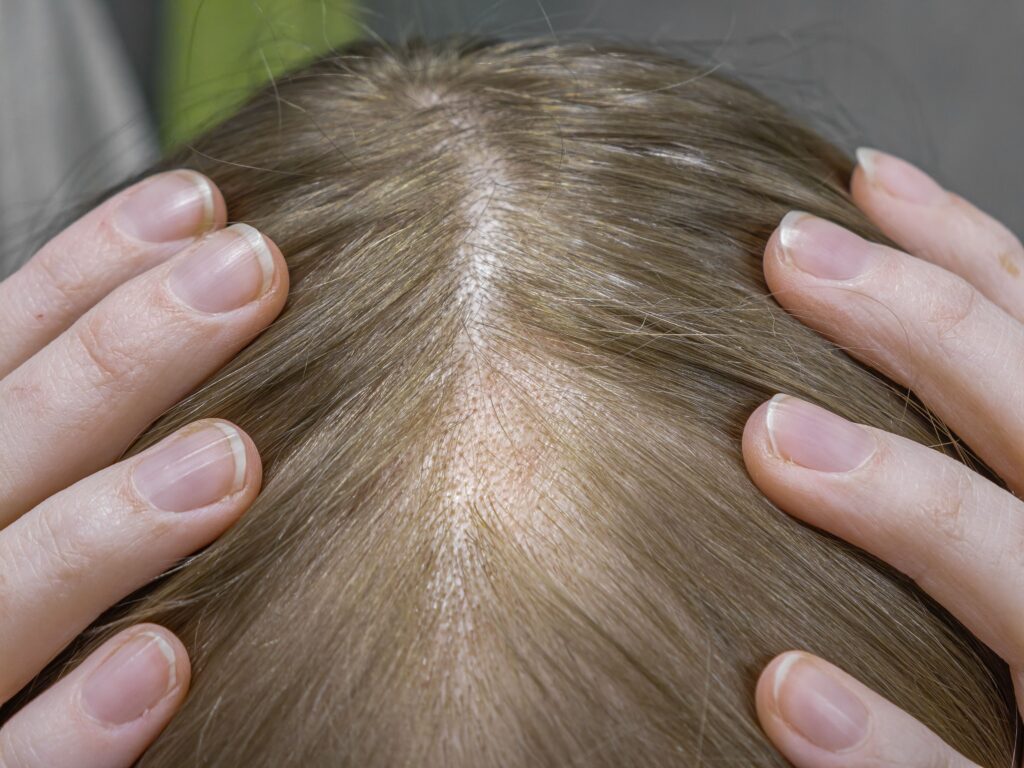
Results from PRP vary between individuals, but there are common patterns.
Short-term expectations:
- Minimal visible change after the first session
- Possible improvement in scalp condition
Medium-term expectations, after multiple sessions:
- Reduced hair shedding
- Improved hair thickness
- Stronger, healthier-looking hair
Long-term expectations:
- Gradual improvement with maintenance sessions
- Stabilisation of hair loss in some cases
Consistency is often key. Most treatment plans involve a course of sessions rather than a single treatment.
How Many PRP Sessions Are Usually Needed
PRP is typically carried out as a course rather than a one-off treatment.
A common approach may include:
- An initial course of 3 to 6 sessions
- Treatments spaced a few weeks apart
- Maintenance sessions depending on response
The exact plan depends on your individual condition and goals, which are assessed during consultation. For a more precise treatment plan tailored to you, it is best to speak directly with a doctor who can guide you through the process and set clear expectations.
How PRP Compares to Other Hair Loss Treatments
PRP is one of several options available for hair loss.
Compared to other approaches:
- It is less invasive than surgical hair transplants
- It does not involve daily medication like some alternatives
- It focuses on natural stimulation rather than replacement
Many patients choose PRP as an early intervention before considering more invasive procedures, particularly when looking for a more natural approach. However, like any treatment, results can vary, and understanding how PRP fits within broader clinical guidance on hair loss is important. According to the British Association of Dermatologists, treatment suitability and outcomes depend on individual factors, including the type and stage of hair loss.
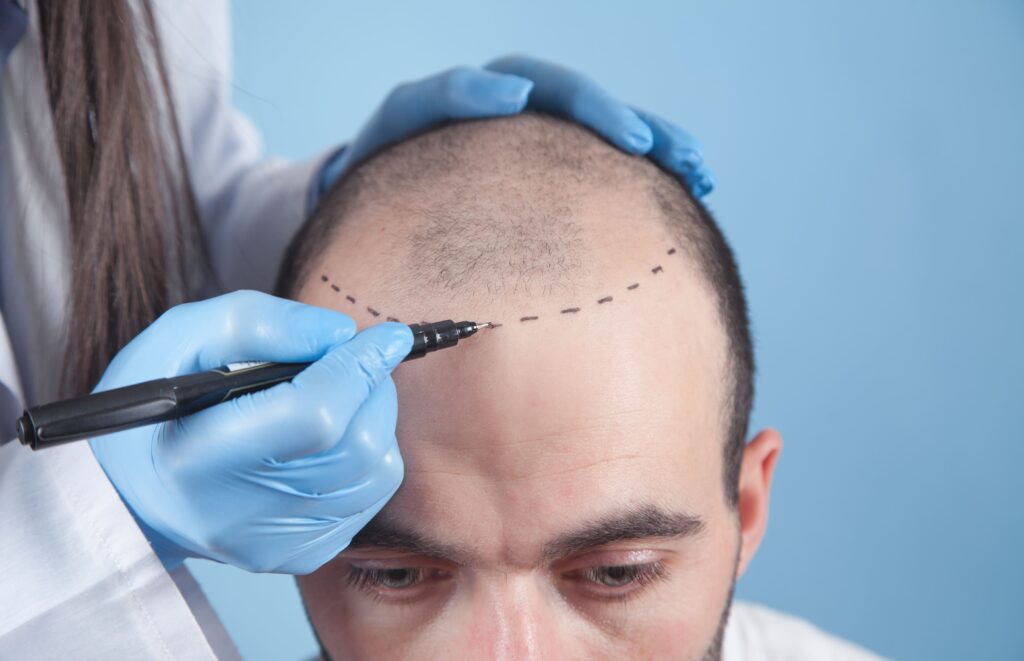
Considering Hair Stimulation Treatment
If PRP feels like something that could work for you, but you are still unsure how it works in practice or who should be carrying out the treatment, that uncertainty is completely valid. The effectiveness of PRP is not just about the treatment itself, but how it is assessed, planned, and delivered based on your individual condition.
At Altri Medical Ltd, our PRP hair stimulation treatments in Altrincham are delivered by doctors, ensuring a clinically guided and personalised approach from the start. Rather than applying a one-size-fits-all method, we focus on understanding your hair loss, explaining what is realistically achievable, and recommending the most appropriate approach for you.